By Sanjaya, Sri Luxe Escapes
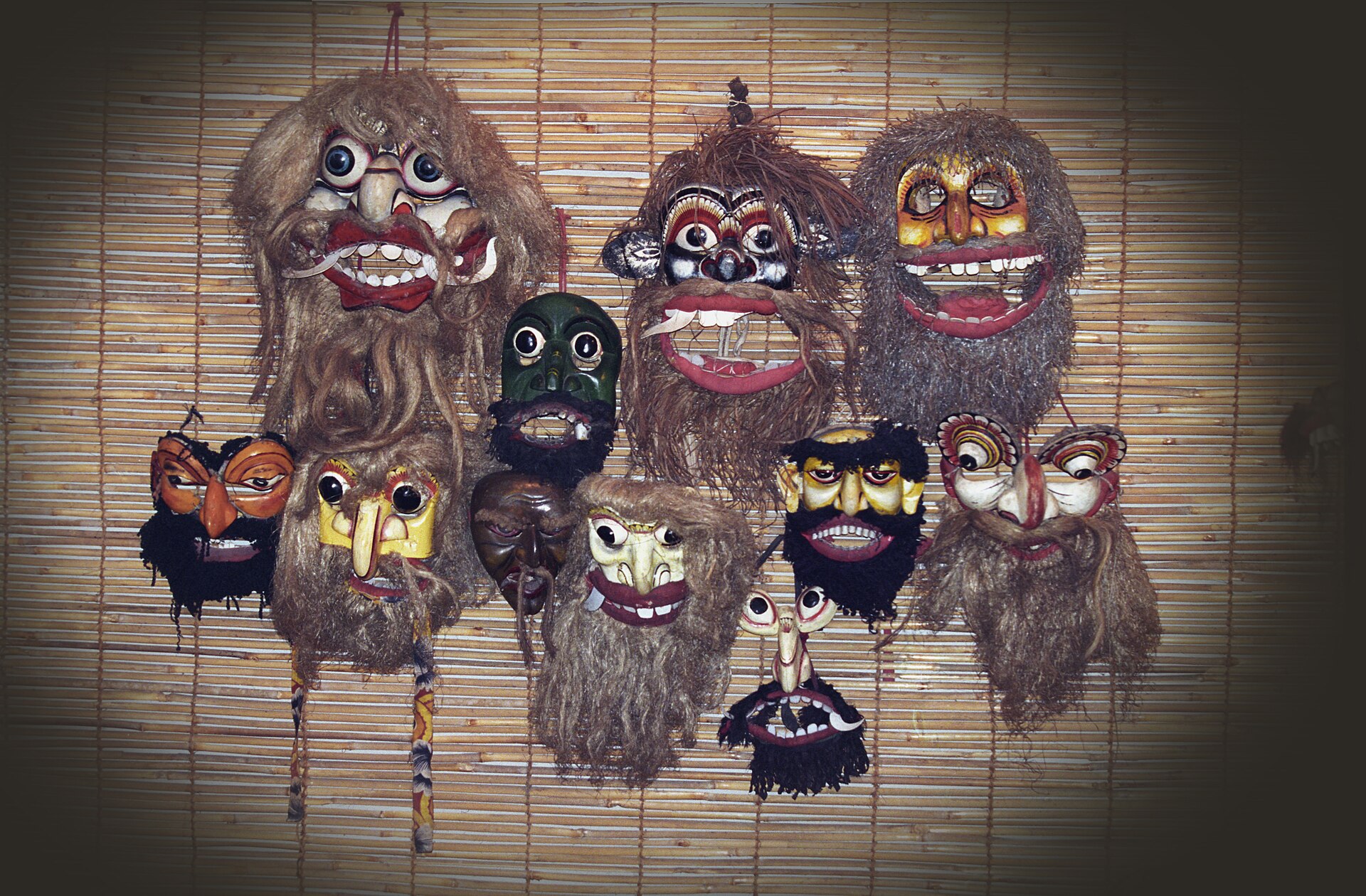
Walk into any craft shop on the south coast and a hundred painted faces stare back at you. Bulging eyes, crowns of cobras, tongues of flame. These are the yaka masks of Sri Lanka, named for the yaksha spirits of old Lankan folklore, and they are much more than souvenirs. Every one of those faces belongs to a tradition of healing, protection and comedy that still lives in the villages of the low country.
Spirits older than the kingdoms
Long before the great Buddhist kingdoms, the island's folklore was full of yakku, spirits believed to bring sickness or misfortune, or protection if they were treated properly. The mask tradition grew out of rituals for dealing with that unseen world. The thinking was simple. If a demon of illness could be given a face, it could be summoned, danced with, bargained with and finally sent away. The masks are carved from kaduru wood, which is very light, then dried over smoke for weeks and painted in the bright mineral colours that make them so easy to recognise.
The three families of masks
Sanni, the healing masks
These are the most extraordinary of all. There are eighteen sanni demons, and each one stands for a single affliction such as fever, deafness, nightmares or madness. In the all night ritual called the Daha Ata Sanniya, dancers wear each mask in turn while the drummers drive the rhythm on. The demon of the patient's illness is mocked, flattered and appeased until it agrees to leave. It is exorcism, theatre and a kind of therapy all at once.
Raksha, the guardian masks
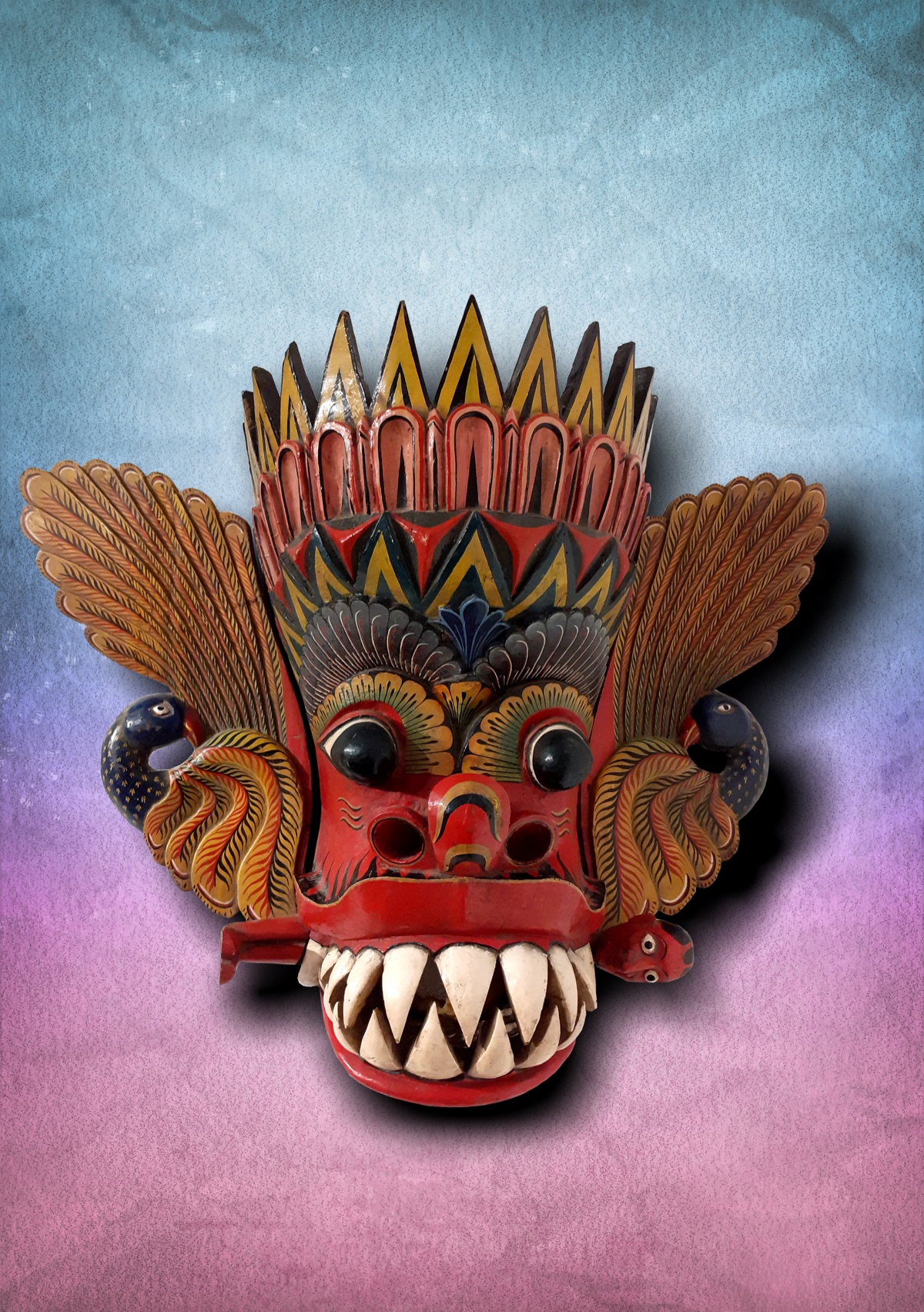
These are the flamboyant giants you see at festivals and processions. The Naga Raksha wears a writhing crown of cobras. The Gurulu Raksha is a bird demon. The Maru Raksha carries the face of death itself. Hung above a doorway or danced at a festival, a raksha face is meant to frighten misfortune away before it ever reaches the house.
Kolam, the storytelling masks
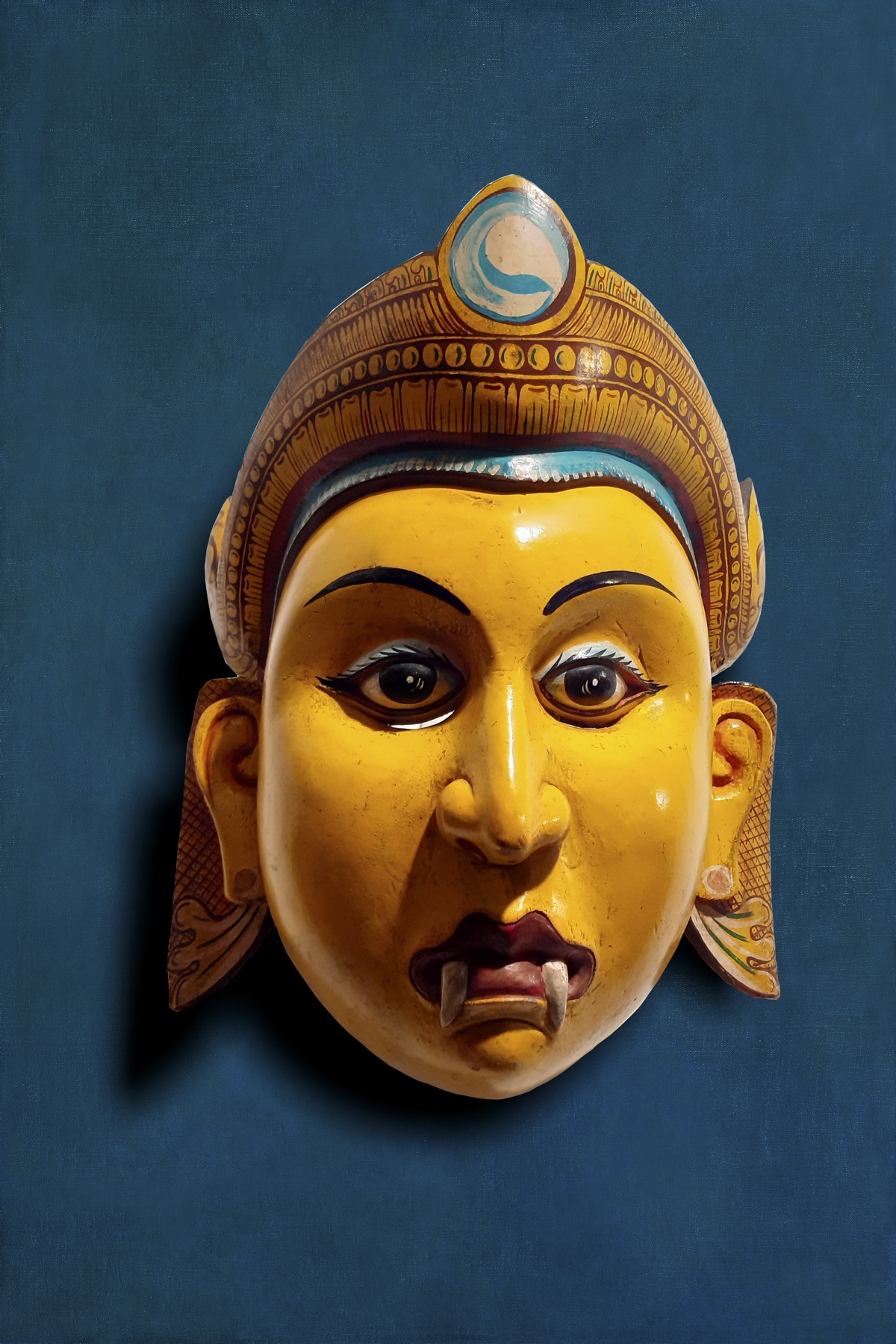
Not every mask is a demon. Kolam is village satire performed through the night. There is a pompous king, a weary queen, a crooked official and a village drunk, a whole comic cast carved in wood and played to gales of laughter.
Faces you will meet
- Maha Sohona, the graveyard demon, said to wait at cemeteries and crossroads. His ritual is one of the most dramatic of them all.
- Naga Raksha, the cobra guardian, and the mask most visitors end up taking home.
- The eighteen sanni, a complete medical textbook of demons, from Kana Sanniya for blindness to Pissu Sanniya for madness.
Where to see them and bring one home
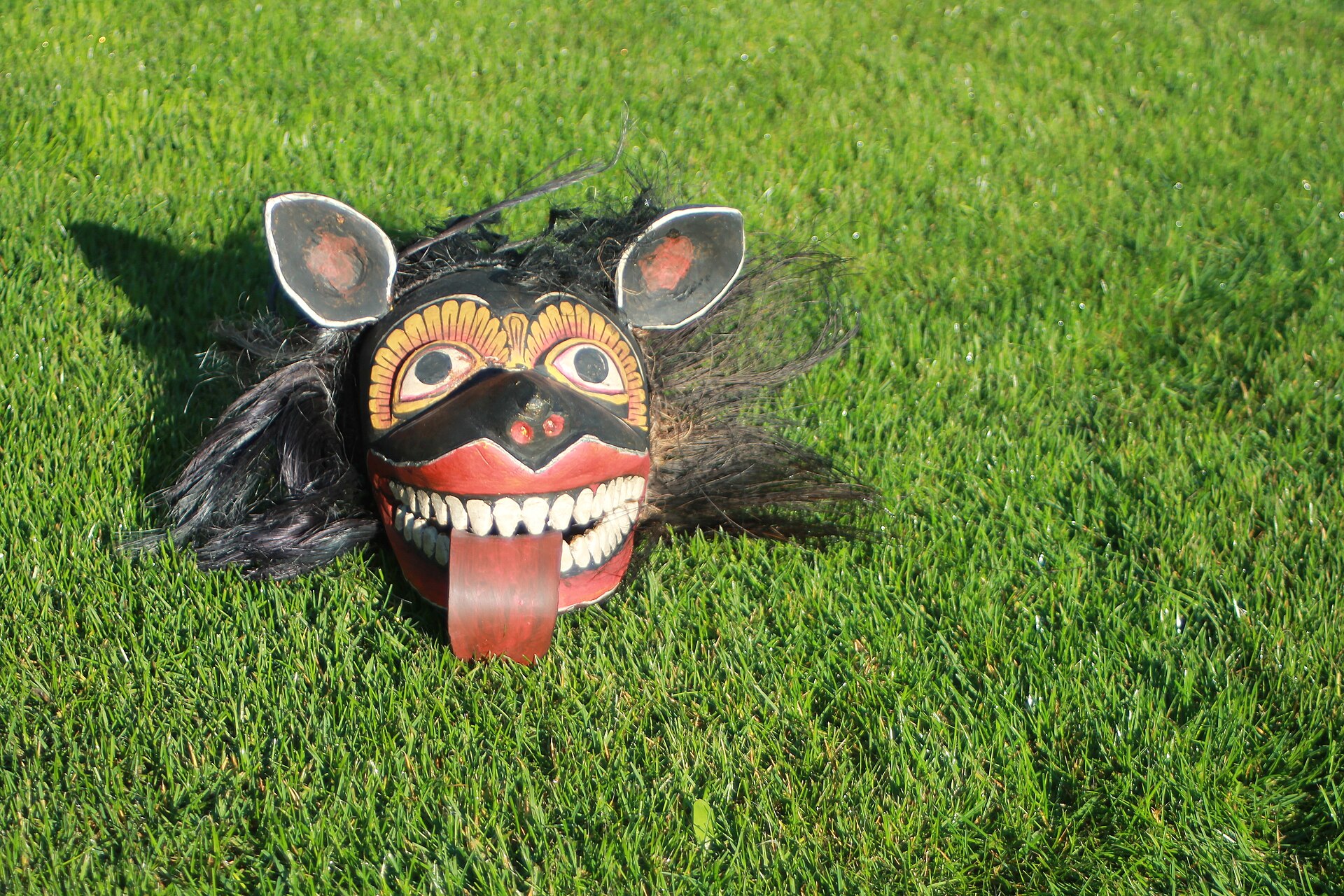
- Go to Ambalangoda, between Bentota and Galle. It is the heart of the craft. The mask museums and family workshops there let you watch carvers turn kaduru logs into faces, just as their grandfathers did.
- Watch a performance. Low country dance shows in the south, and the cultural shows in Kandy, put the masks in motion, which is what they were made for in the first place.
- Buy the real thing. A genuine mask is feather light, hand painted and slightly irregular. The heavy, glossy, perfectly identical ones are factory copies. Buying from a workshop supports the families who keep this craft alive.
Part of your southern journey
Ambalangoda sits right on the Galle coastal road, so a workshop visit fits easily into any south coast itinerary alongside the beaches, the Galle Fort and whale watching in Mirissa. Tell us what you want to see and we will work it in.
Photos by Jerzy Strzelecki, Jan Benda and Henda Hewa Tharaka Nirmal, used under Creative Commons licences via Wikimedia Commons.